







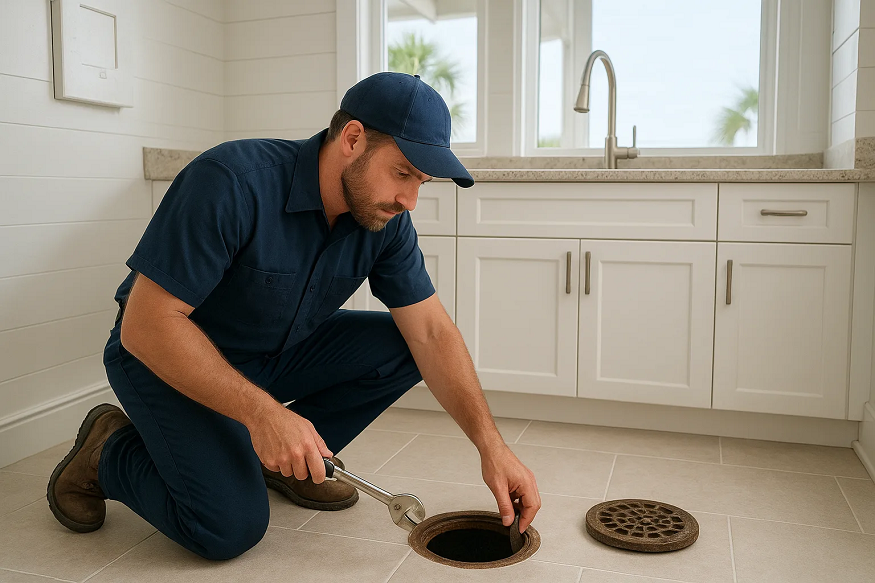
Drain pipes work quietly behind walls, beneath floors, and under sinks, carrying wastewater away from a home every day. Because they are mostly out of sight, it is easy to forget that their internal surfaces are constantly exposed to soap, grease, hair, food particles, minerals, and other debris. Without regular cleaning, these materials can gradually accumulate and interfere with normal drainage.
Understanding what happens inside neglected pipes can help homeowners recognize plumbing problems earlier and take preventive action before a minor slowdown develops into a stubborn blockage.
Buildup Begins Along The Pipe Walls
Most drain problems do not develop overnight. They often start with a thin layer of residue sticking to the inside of a pipe. In a kitchen, grease and cooking oils can contribute to this buildup. Bathroom pipes commonly collect soap residue, hair, toothpaste, personal care products, and other materials.
As these substances settle along the pipe walls, the internal opening gradually becomes narrower. Water may continue to drain normally at first, making the buildup difficult to notice. Eventually, however, additional debris has less space to move through the pipe.
Water Starts Moving More Slowly
As the usable space inside a drain decreases, wastewater may take longer to pass through the plumbing system. A sink that once emptied quickly may begin holding water for several seconds. A shower may develop small pools of water around the drain during use.
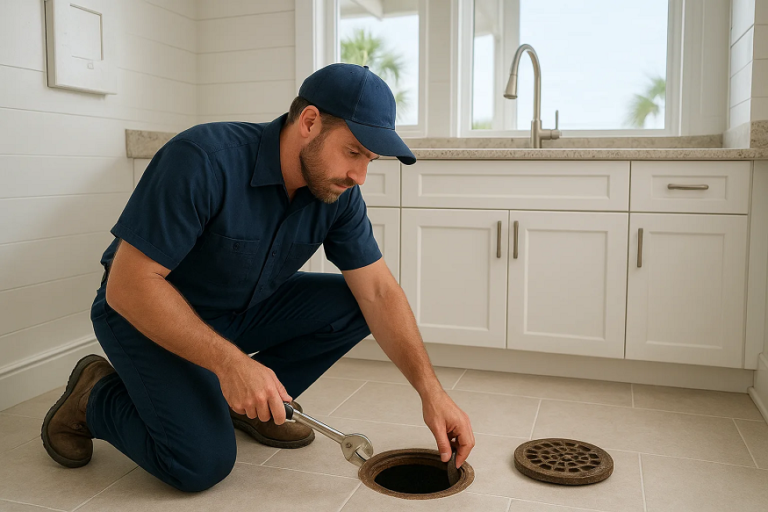
Slow drainage is often one of the earliest signs that something is developing below the surface. Arranging services such as bathroom drain cleaning Houston can help address accumulated material before it becomes dense enough to significantly restrict the pipe.
Ignoring slow drainage can allow new debris to attach to the existing buildup, causing the restriction to grow.
Hair And Soap Can Form Dense Obstructions
Bathroom drains face a particularly difficult combination of materials. Loose hair can become caught on rough areas, fittings, or existing residue inside a drain. Soap and personal care products may then collect around the trapped hair.
Over time, this combination can create a dense obstruction. The problem may become more noticeable in showers, bathtubs, and bathroom sinks because these fixtures are used frequently.
Removing visible hair near the drain opening can help with basic maintenance, but deeper accumulation may require professional equipment to reach and clear effectively.
Unpleasant Odors May Develop
Debris sitting inside a drain can trap organic material and create conditions that contribute to unpleasant smells. Food particles in kitchen drains and residue in bathroom drains can remain inside the plumbing rather than being carried away efficiently.
Homeowners may initially notice an occasional odor near a sink or shower. If the underlying buildup remains, the smell may become more persistent.
Cleaning the drain removes accumulated material rather than simply attempting to cover the odor with household products.
Complete Blockages Become More Likely
A partially restricted drain can eventually become completely blocked. Once the opening becomes narrow enough, a relatively small amount of additional debris may stop water from flowing.
A complete blockage can make a sink, bathtub, or shower unusable until the obstruction is removed. In some situations, wastewater may also begin backing up into a fixture.
Recurring blockages deserve particular attention. If a drain repeatedly becomes clogged after temporary fixes, the problem may be located deeper within the plumbing system.
Pressure On The Plumbing System Can Increase
Restricted drainage can also place unnecessary stress on parts of the plumbing system. Water that cannot travel freely may remain in sections of piping longer than intended. Existing weaknesses, aging joints, or damaged pipe sections can make these situations more concerning.
Professional inspection can help determine whether the problem is simply accumulated debris or whether another plumbing issue is contributing to poor drainage.
Regular Cleaning Supports Better Drain Performance
Drain maintenance is easier when problems are addressed before pipes become heavily restricted. While routine cleaning can help keep wastewater flowing effectively, being mindful of what gets into sinks, showers, and bathtubs can help prevent buildup.
Homeowners should also pay attention to warning signs such as slow drainage, recurring clogs, unusual sounds, and persistent odors. These symptoms can provide an early indication of developing buildup.
Regular drain cleaning is ultimately about maintaining the open pathway that wastewater needs to leave the home. Addressing buildup early can reduce inconvenience, limit recurring clogs, and help the plumbing system continue performing reliably over time.







+ There are no comments
Add yours